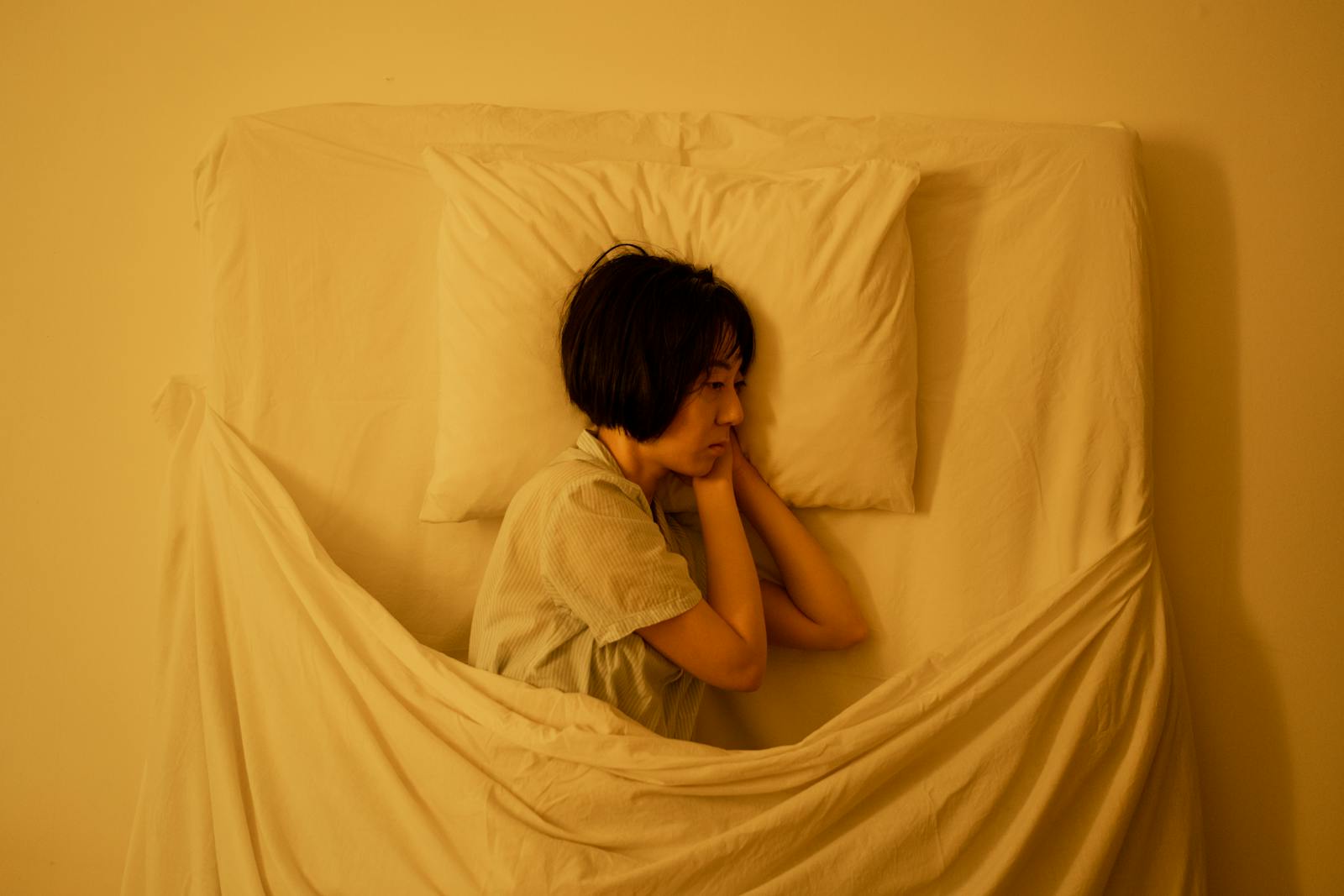
The Unseen Heaviness: A Guide to Understanding Depression in the Filipino Context

Saya Team
Mental Health Team
In this article
In this Article
If you're reading this, maybe you're carrying a weight that no one else can see. In a culture that celebrates 'pagtitiis' (endurance) and always showing a brave face, admitting you're not okay feels like a failure. We want to tell you: what you're feeling is real, it's valid, and it's not your fault. This feeling has a name—depression—and understanding it with compassion is the first step toward finding light in the darkness.
What is Depression? It's More Than 'Lungkot'
It's a persistent sadness, yes, but it's so much more than 'lungkot' (sadness). It's an exhaustion that sleep can't fix, the loss of 'gana' (desire) for things you used to love, the feeling of being in a deep hole. It is not 'kakulangan sa pananampalataya' (a lack of faith) or 'pag-iinarte' (being overly dramatic). It is a real and treatable health condition that deserves the same care as any physical illness, free from judgment.
Does This Sound Familiar? Recognizing the Signs with Kindness
Depression wears many faces. Well-meaning loved ones might say, 'Isipin mo na lang ang mga biyaya mo' (Just think of your blessings), not understanding that it isn't that simple. This can make you feel even more guilty. Please know, your experience is valid, even if others don't fully get it.
- How you might feel: A constant void or emptiness, hopeless about the future, irrationally guilty, or easily angered over small things.
- How you might act: Avoiding the 'barkada' or family, losing interest in work or hobbies, finding it a battle to just get out of bed.
- How you might think: 'Pabigat ako.' (I am a burden). 'Walang nakakaintindi.' (No one understands). You might struggle to concentrate or, in some cases, think that life is no longer worth living.
- How your body might feel: A profound, bone-deep tiredness ('pagod'), significant changes in your appetite or weight, or aches and pains that have no medical explanation.
If this resonates, our free, private depression assessment is a safe place to explore these feelings without judgment.
Types of Depressive Disorders
Knowing there are different types can be validating. It means you're not alone and that there are specific paths to help.
- Major Depressive Disorder (MDD): This is the classic, most common form.
- Persistent Depressive Disorder (Dysthymia): A chronic, low-grade fog of depression that lingers for years.
- Bipolar Disorder: Involves swings between deep depressive lows and energetic highs. Our guide to Bipolar Disorder explains this with empathy.
- Postpartum Depression: A difficult struggle for new mothers, often hidden due to the pressure to be happy. Hindi ka masamang ina (You are not a bad mother).
Why Me? Understanding the Roots of Depression
It's never your fault. Depression grows from a tangle of roots, including our unique cultural landscape:
- Biology & Family History: It can be part of your genetic makeup.
- Life Events & Trauma: Loss, major stress, or past trauma. This can include the intense pressure to succeed for your family, or the deep loneliness of being an OFW.
- Cultural Pressures: The heavy weight of 'utang na loob' (debt of gratitude), or the 'hiya' (shame) that keeps us from speaking our needs.
- Chronic Illness: The constant strain of managing a physical health condition can take a heavy toll on your mental well-being.
Finding Your Way Forward: Paths to Healing
Seeking help is an act of courage, not weakness. It's about finding a partner to help you carry the load.
- Psychotherapy (Talk Therapy): This is a confidential space with a Filipino therapist who understands. Someone you don't have to explain 'utang na loob' or family dynamics to. A place to be heard without judgment. Our licensed Filipino therapists are here for you.
- Medication: Sometimes, medication can provide the stability needed to fully engage in therapy and life. It is a tool, not a crutch. Our guide on mental health professionals can clarify who can help with this.
- Gentle Lifestyle Shifts: Small, kind adjustments to your daily life can support your recovery. Be patient with yourself.
Pag-aalaga sa Sarili: Self-Care When It Feels Impossible
When you're depressed, 'self-care' can feel like another chore. In a culture where we often put others first, it can also feel selfish. It's not. These are small acts of kindness to yourself.
- One Gentle Message: Send a simple 'kumusta?' to a trusted person. You don't have to perform or pretend. Just a small connection can make a difference.
- Three Mindful Breaths: Pause. Inhale. Exhale. Feel your feet on the ground. For this moment, that is enough.
- Celebrate the 'Small' Wins: Did you drink a glass of water? Or step outside for a minute? Acknowledge it. These are not small things when you're fighting a battle.
- Infinite Patience: Healing is not a straight line. Be as kind and patient with yourself as you would be to your dearest 'kaibigan' (friend).
You Are Not a Burden. You Deserve to Heal.
Taking that first step is an act of immense strength. You are not alone on this path. At Saya, we are here to walk with you, offering a safe, confidential, and understanding space to find your way back to yourself.
Not sure where to start?
Describe how you're feeling and we'll match you with the right therapist.
You can also type in Tagalog or Taglish — e.g. "Lagi akong malungkot" or "I feel anxious lagi"
Frequently Asked Questions
Tags:
Professionals Who Can Help
Licensed Filipino professionals on Saya who specialize in topics covered in this article.